 English
 Español
Does a Float Switch Need IP68 for Hot Water?
A Float Switch with IP68 sealing, AC 220V rating, and 60°C water temperature tolerance — built for reliable liquid level control in pumps and tanks.

A Float Switch with IP68 sealing, AC 220V rating, and 60°C water temperature tolerance — built for reliable liquid level control in pumps and tanks.
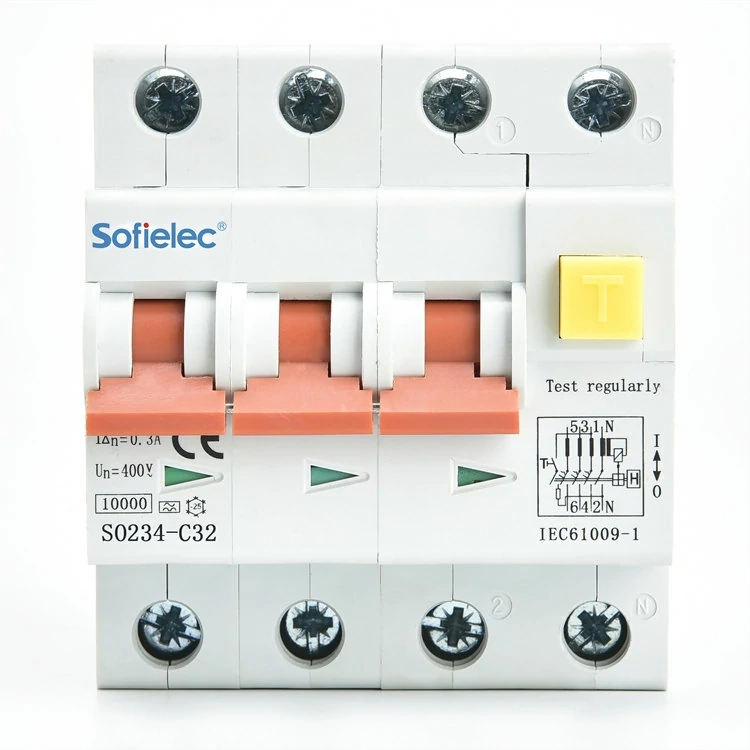
A magnetic RCBO that combines overcurrent and earth leakage protection in a compact two-module design — featuring 10kA breaking capacity and CE approval for residential and commercial distribution.
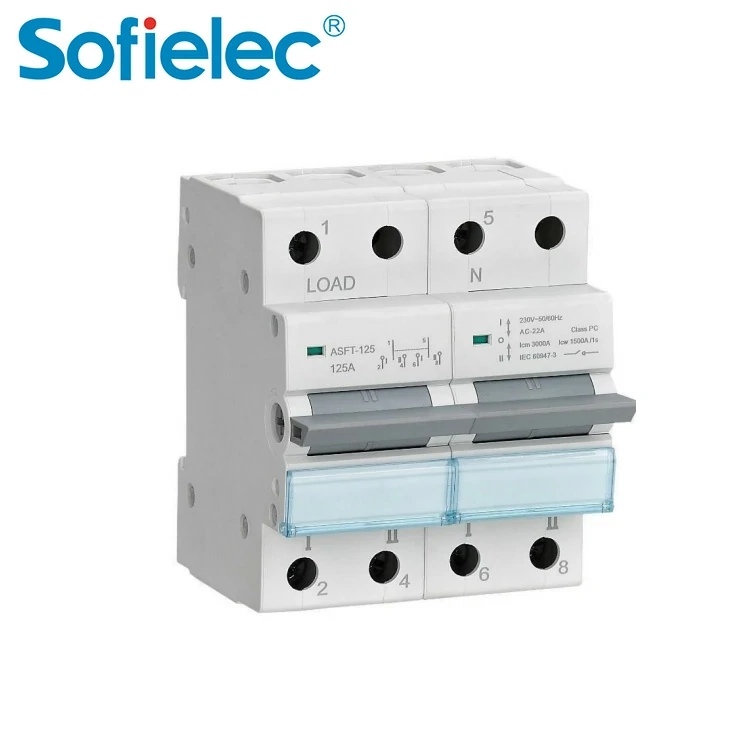
A float switch with integrated square-axis multi-pole design, welding-process contacts with silver solder pads, and bite-process terminal blocks — built for reliable isolation and conversion in control sys...
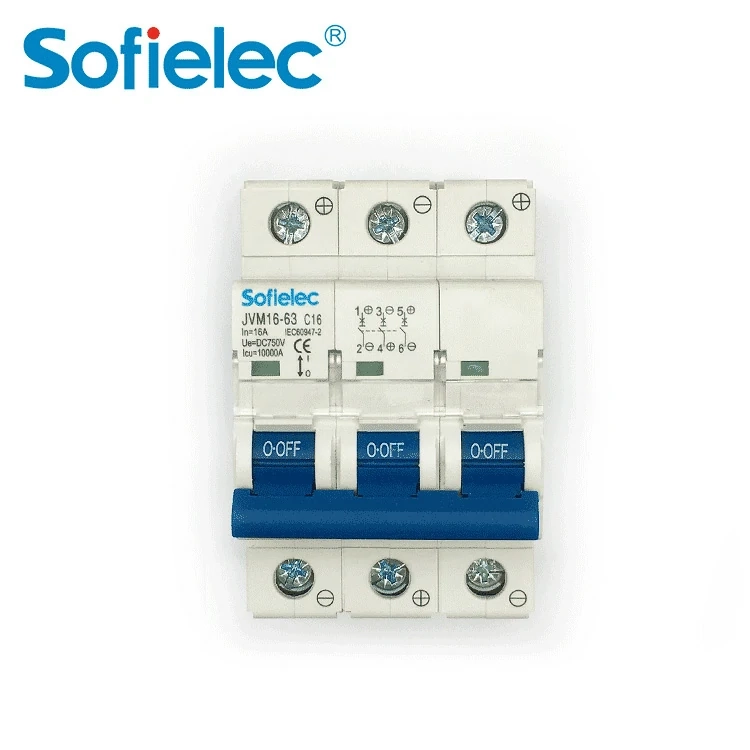
A DC series circuit breaker with 1-63A ratings, 10kA breaking capacity, 6.2kV impulse withstand, and central-staying trip indication — built for reliable low-voltage DC overcurrent and overload protection....
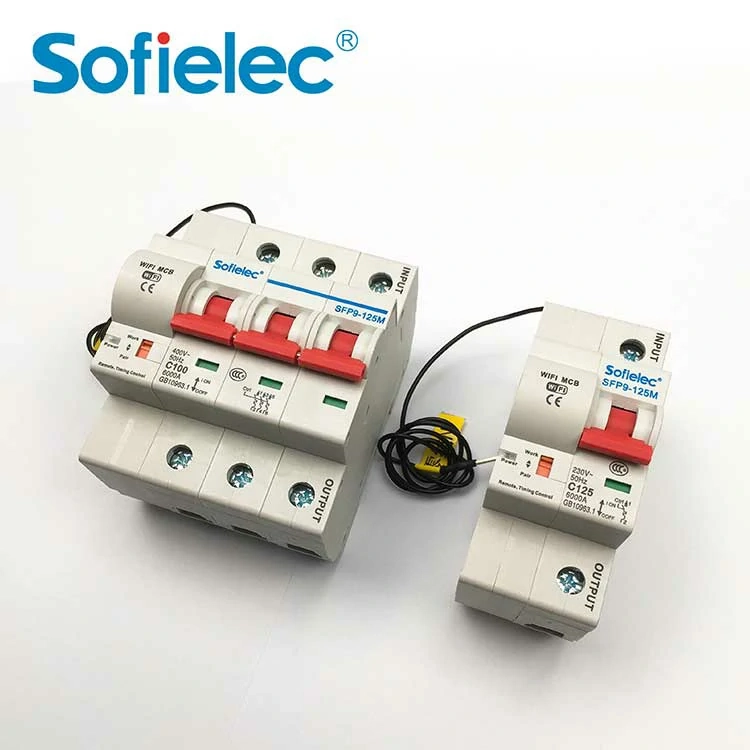
A Wi-Fi MCB with 1P/3P configurations, 230V/400V ratings, IEC60898-1 compliance, and smart remote control — built for modern residential and commercial electrical distribution.
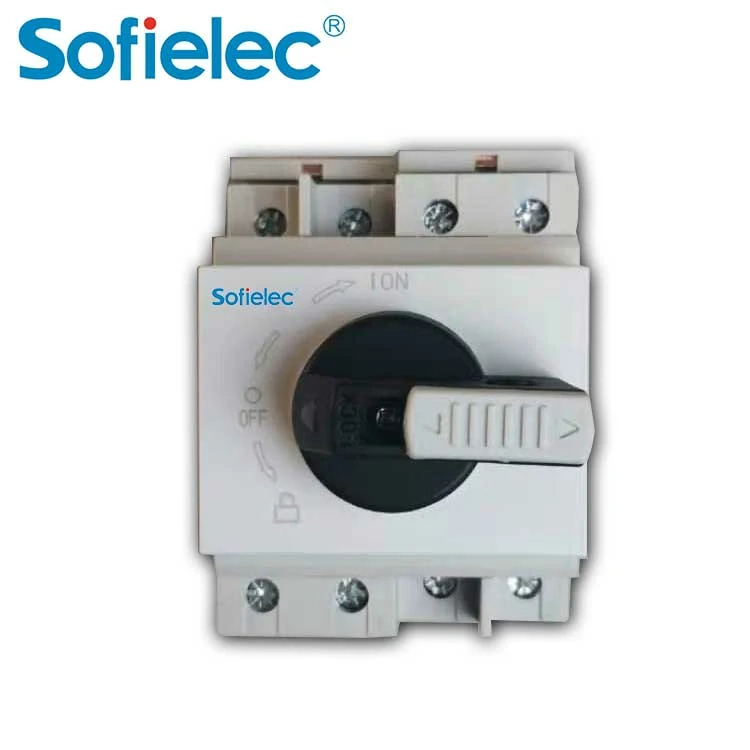
A Isolator switch with 1200V DC rating, 32A capacity, and <8ms arc extinction provides safe disconnection for 1-20kW residential and commercial solar PV systems — certified to IEC60947-3 and AS60947.3.
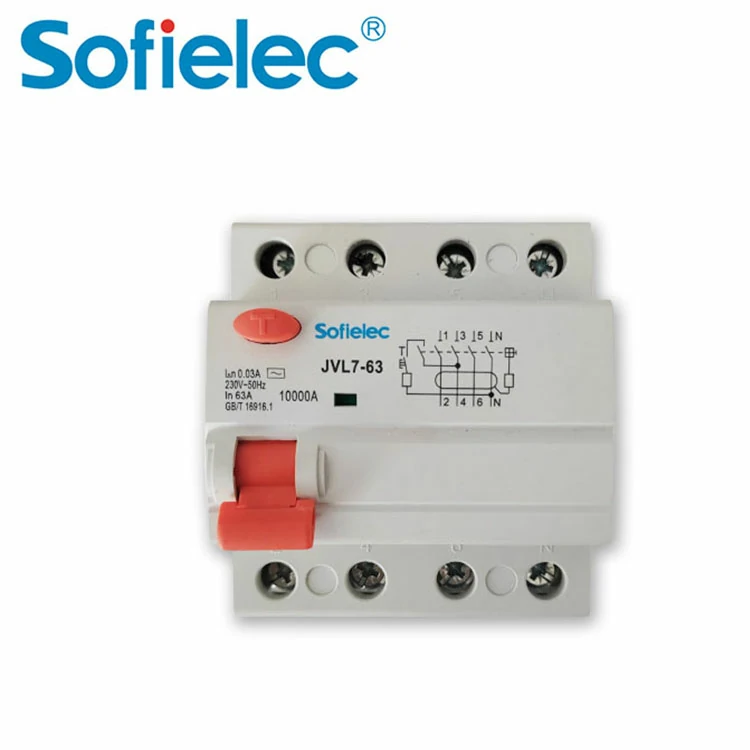
A Residual Current Circuit Breaker RCCB is an electromagnetic device that protects people and equipment from electric shock and ground faults. It continuously monitors circuit current and trips instantly w...
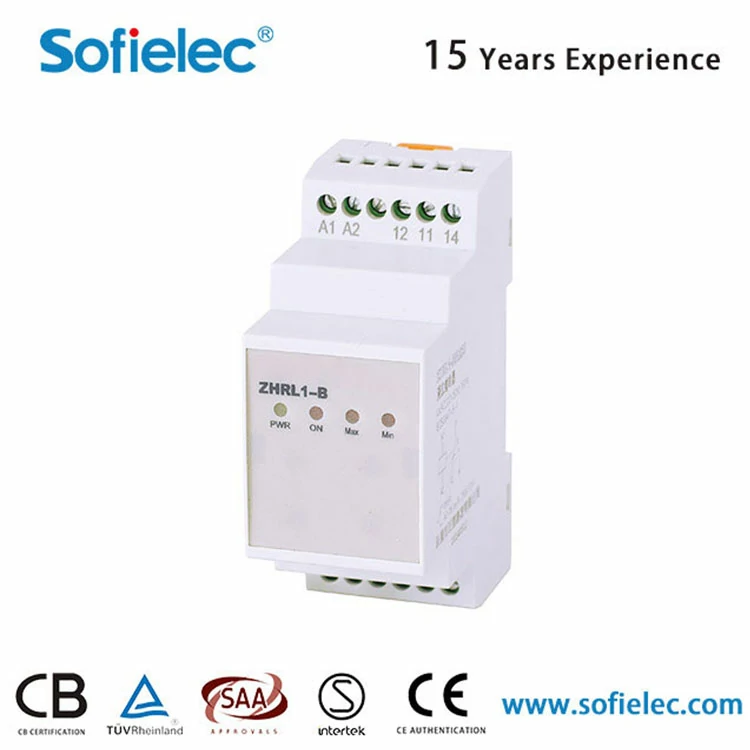
A Liquid Level Relay automates pump control using conductive electrodes—no PLC required. This guide covers fill/drain modes, electrode selection, wiring, and troubleshooting.
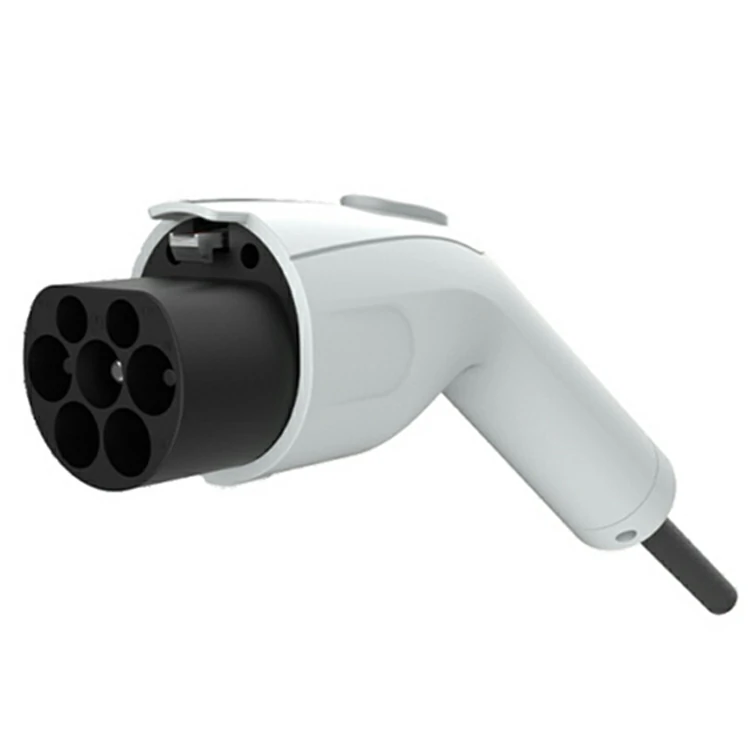
A Charging Connector is more than a cable end—it’s the critical interface between the EV and the charger. With GB, EU, and US standard options, mechanical life of ≥10,000 cycles, and temperature rise ≤50K,...
Your EV charging connector is the most frequently handled component in your charging infrastructure. Every day, it gets plugged in, unplugged, dropped, stepped on, and exposed to rain, dust, and tempe
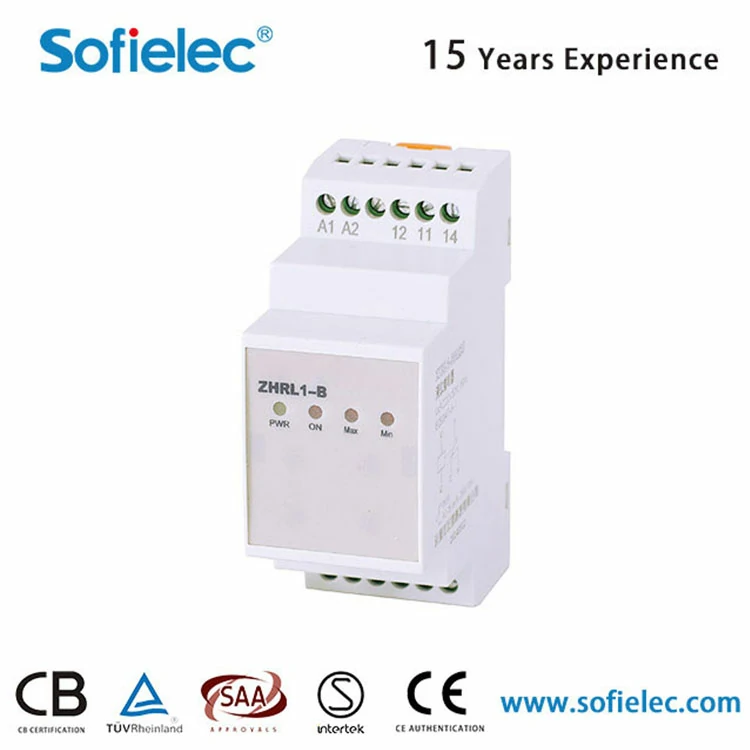
Automatic water pump control using liquid level relay. Wiring diagrams for fill and drain modes, electrode selection, and troubleshooting.
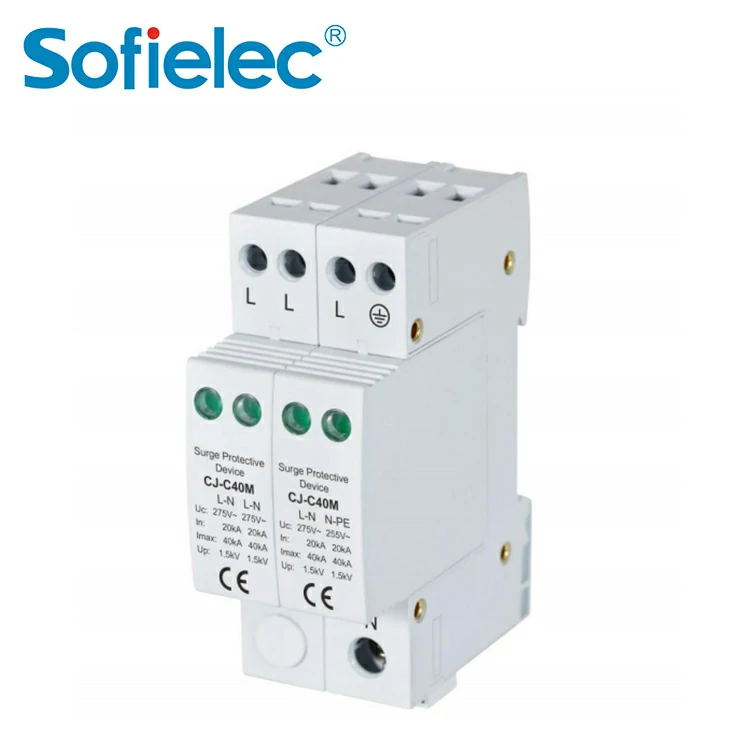
SPD failed without visible damage? Learn to check status indicators, measure leakage current, and know when to replace.
Talk to Our Expert