 English
 Español
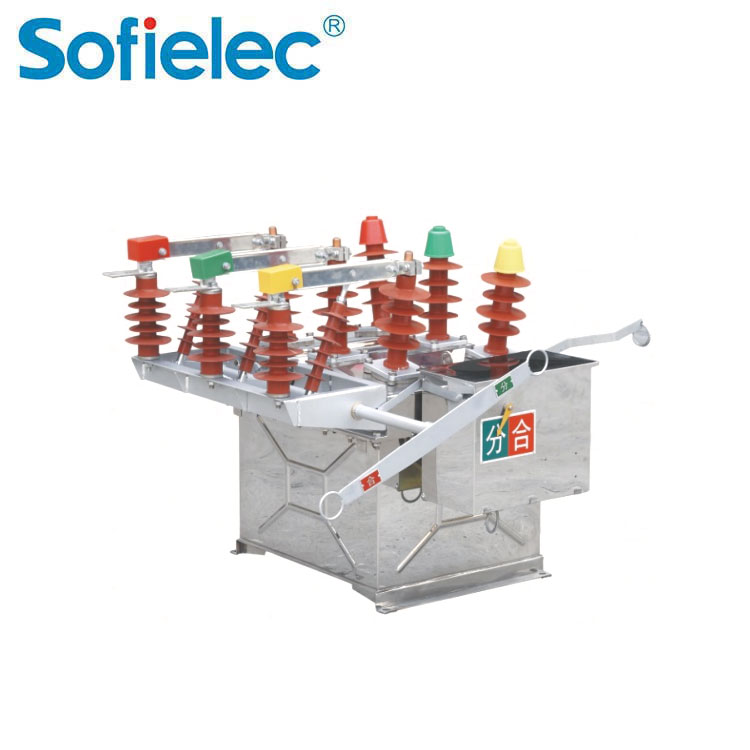
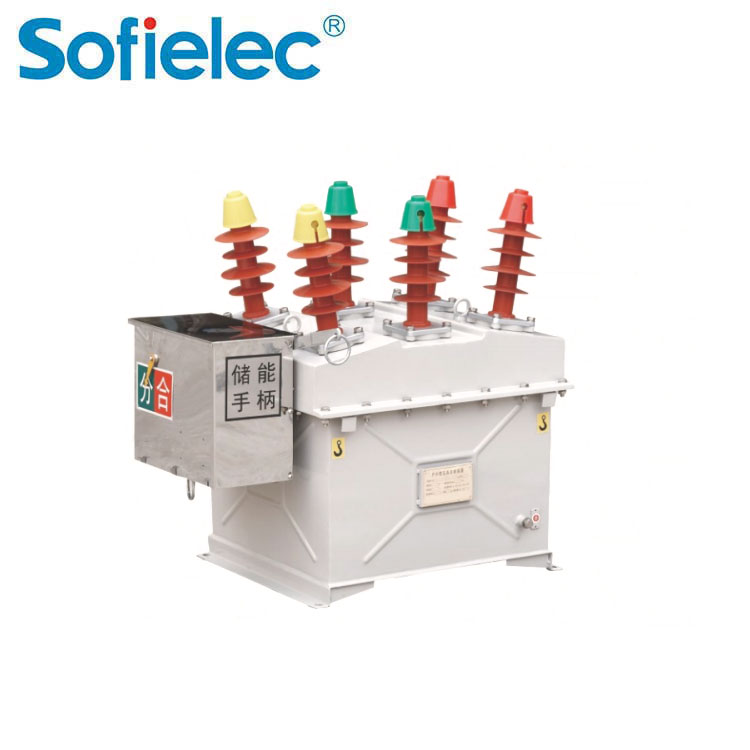
Overview
Three-phase AC 50Hz outdoor high voltage switchgear. It is composed of operation, conductive circuit, insulation system, seal and shell, and the overall structure is a three-phase common box type. It is used in 10kV rural and urban power systems, as the split and combined load current, overload current, short-circuit current and other similar places.
Executive standard
GB1984-2003 "High Voltage AC Circuit Breaker"
GB/T11022-1999 "Common technical requirements for high-voltage switchgear and control equipment standards"
IEC62271-10O "High Voltage AC Circuit Breaker"
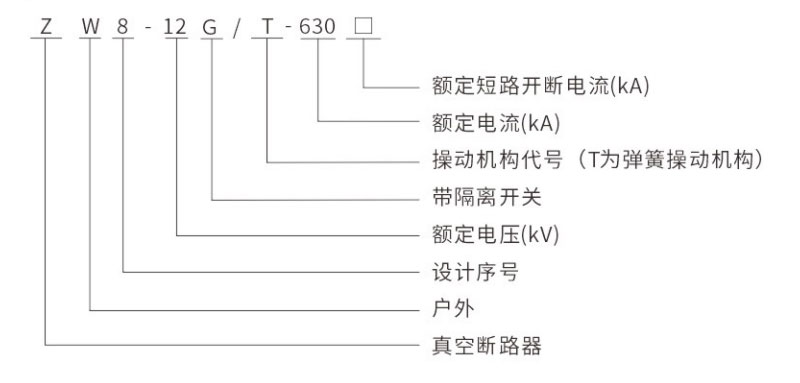
Model Meaning
Normal Use Environment
1. Ambient temperature: -40°C~+40°C;
2. Altitude: ≤3000m (if the altitude increases, the rated insulation level will increase accordingly);
3. The surrounding air can be polluted by dust, smoke, corrosive gas, steam or salt mist, and the pollution level is grade IV;
4. The wind speed does not exceed 34m/s (equivalent to 700Pa on the cylindrical surface);
5. Vibration or ground motion from outside the switchgear and control equipment is negligible;
6. Special Conditions of Use.
If you need to apply it under normal conditions of use different from the above, please negotiate with us.
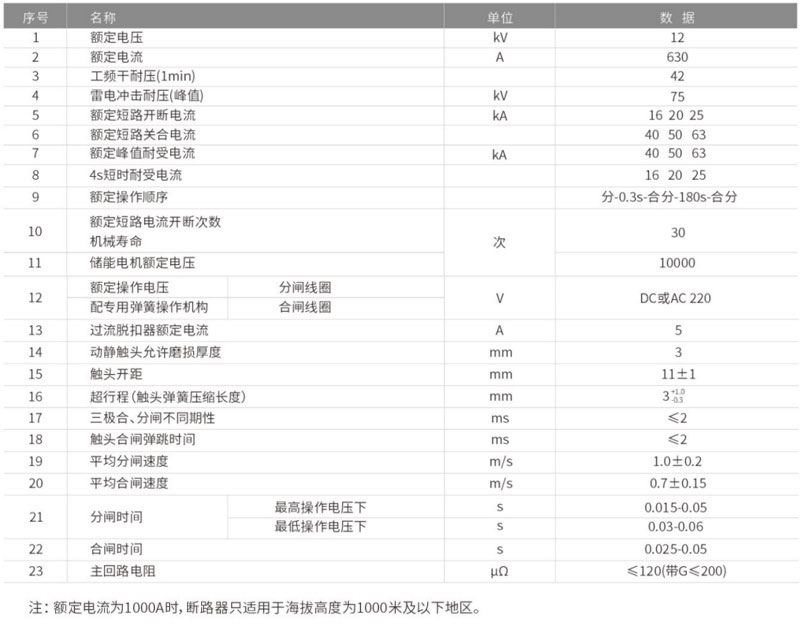
Technical Parameters
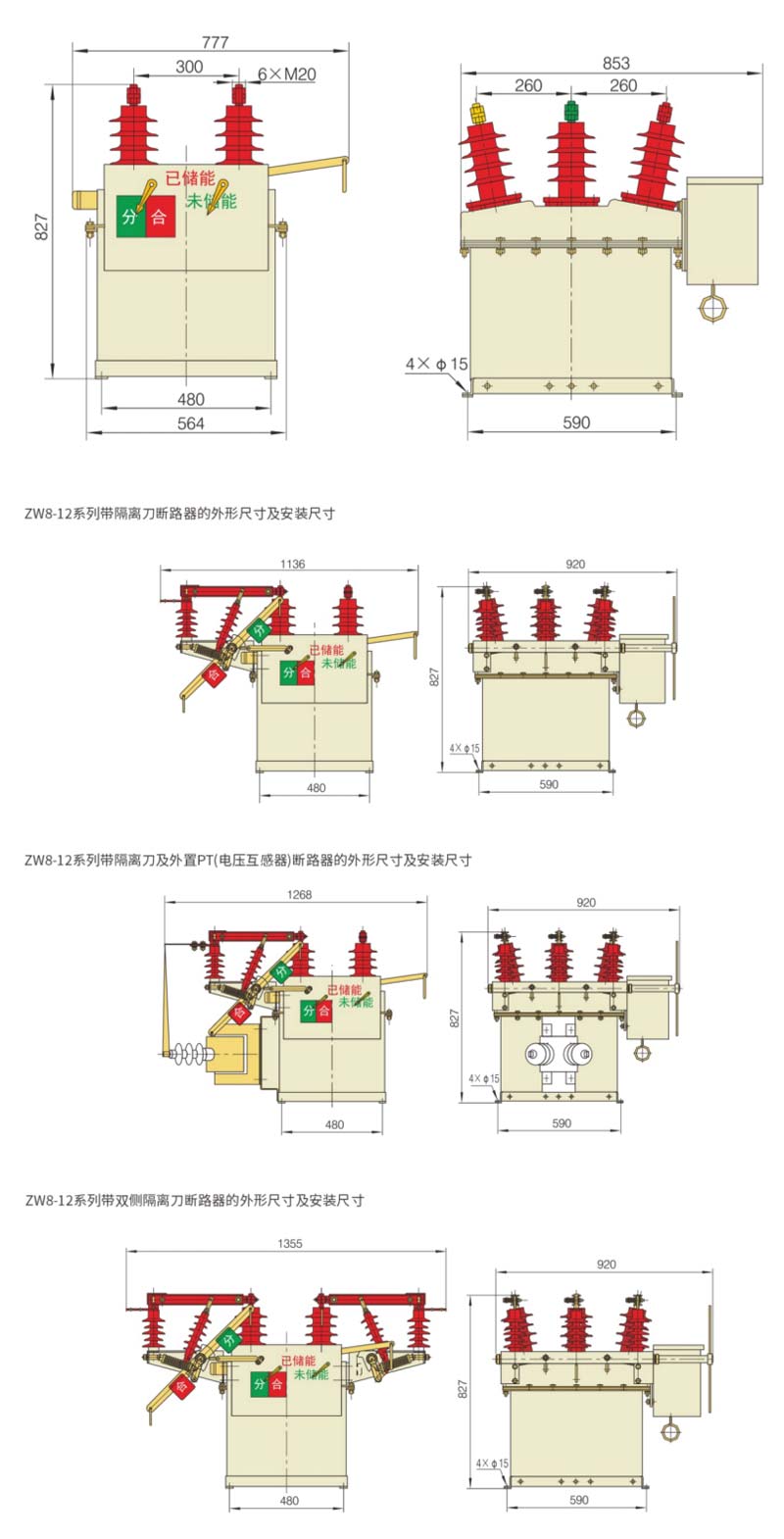
Installation Dimensions
> Is an SPD Surge Protective Device Rated for 80kA Imax?
An SPD Surge Protective Device with 5-80kA discharge capacity, built-in disconnector, and visual status window — built for low-voltage distribution system protection...
> Does a Float Switch Need IP68 for Hot Water?
A Float Switch with IP68 sealing, AC 220V rating, and 60°C water temperature tolerance — built for reliable liquid level control in pumps and tanks.
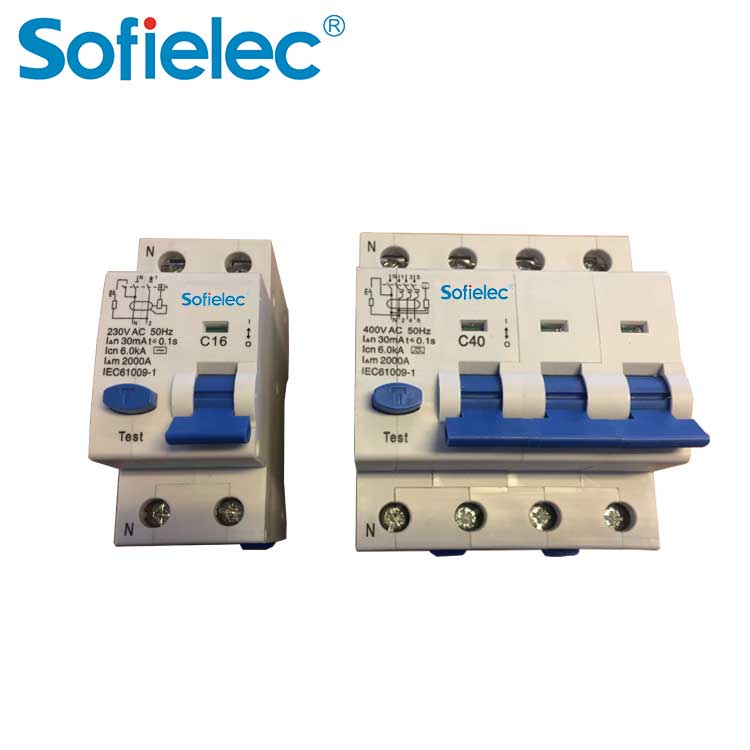
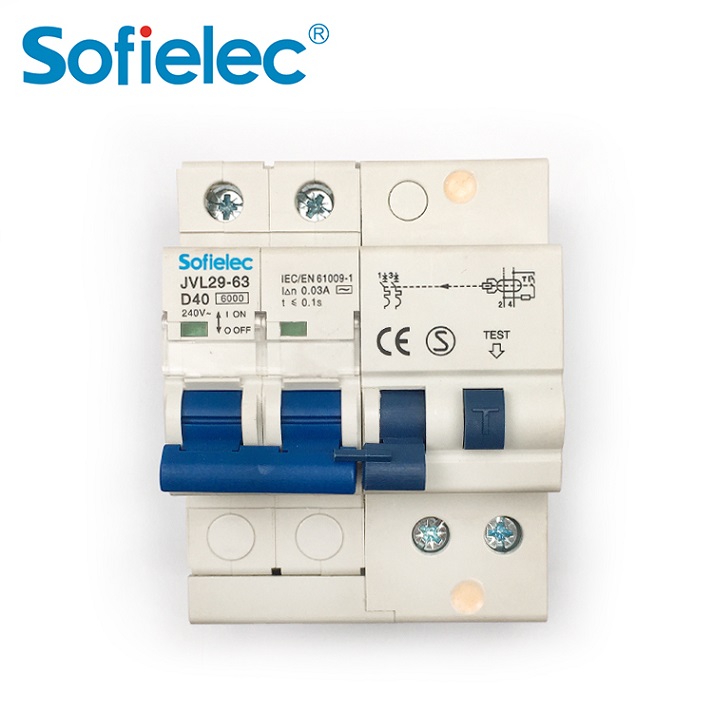
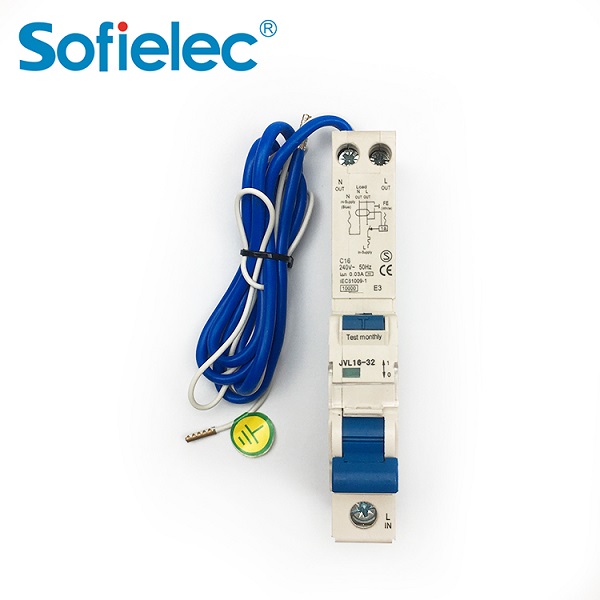
> Does a Circuit Breaker Need Both Overcurrent and Leakage Protection?
A magnetic RCBO that combines overcurrent and earth leakage protection in a compact two-module design — featuring 10kA breaking capacity and CE approval for resident...
> What Makes the ASFT Series Outperform Other Float Switches?
A float switch with integrated square-axis multi-pole design, welding-process contacts with silver solder pads, and bite-process terminal blocks — built for reliable...