 English
 Español
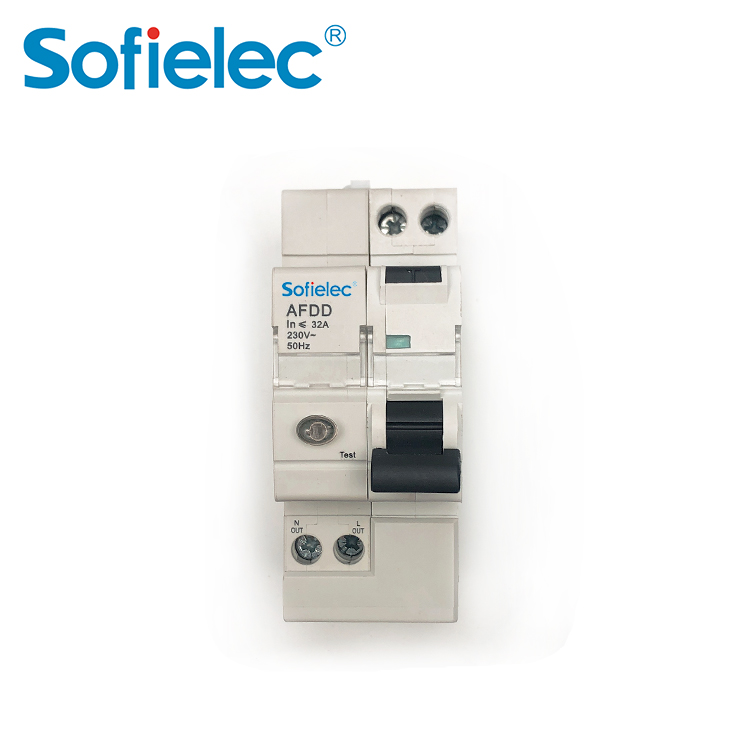
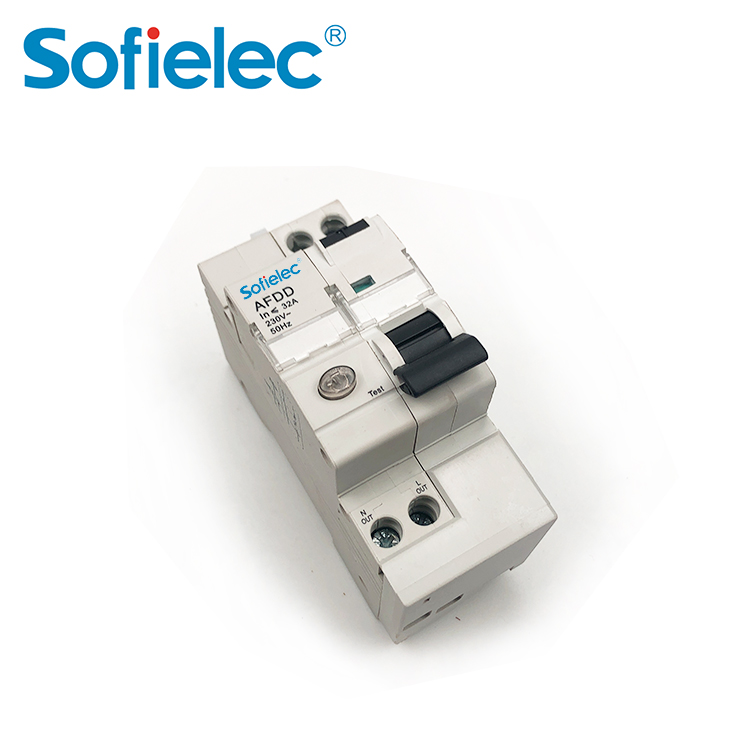
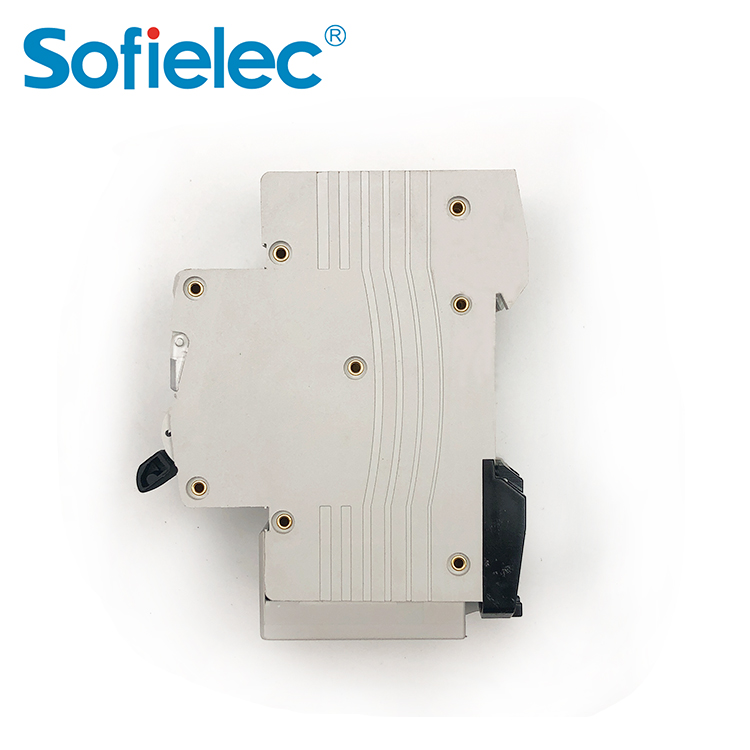
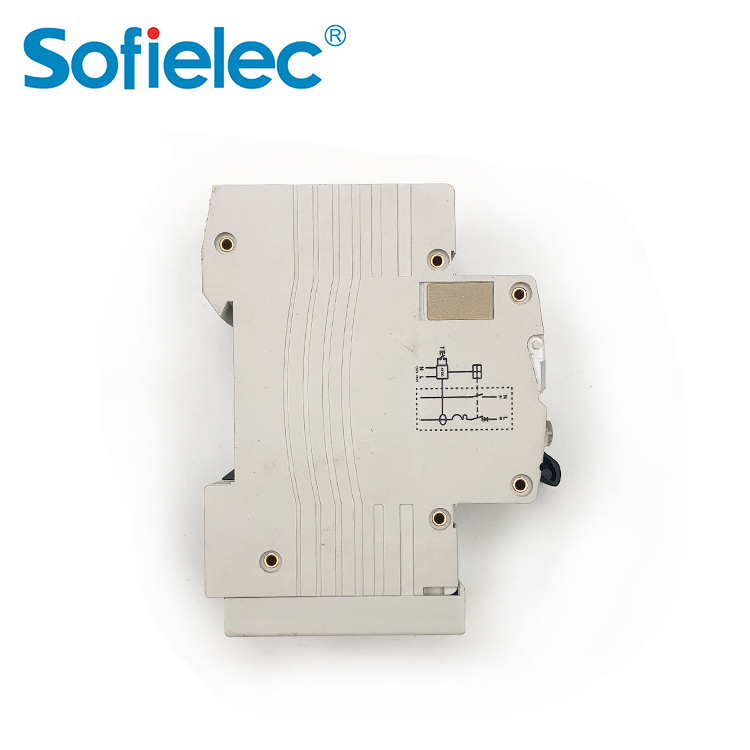
| Categories | AFDD |
| Model | AFDD |
| Pole No | 1P+N |
| Rated voltage | AC 230 |
| Rated current(A) | 6A,10A,16A, 20A,25A & 32A |
| Tripping curve | B,C |
| Rated frequency | 50/60Hz |
| Energy limiting class | 3 |
| Rated impulse withstand voltage | 6.2kV |
| Fastening torque | 2 0Nm |
| High short-circuit breaking capacity (Icn) | 6kA |
| Electro-mechanical endurance | 10000 |
| Terms of Payment | L/C, Western Union, MoneyGram, T/T, Paypal |
Technical Data
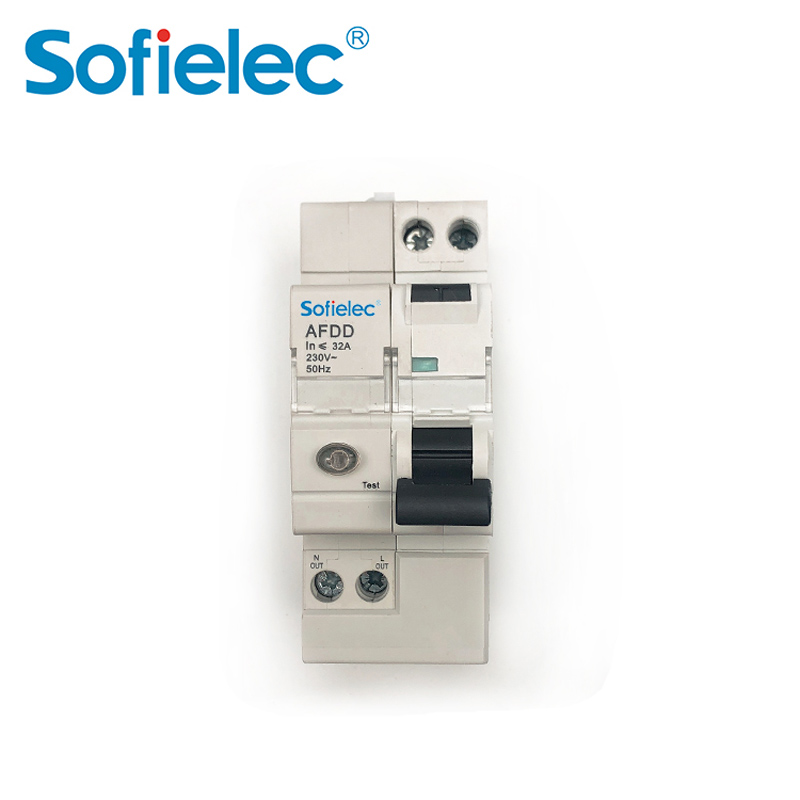
|
l PoleNo.: 1P+N |
|
l Rated voltage: AC 230 |
|
l Rated current (A): 6A,10A,16A, 20A,25A & 32A |
|
l Tripping curve: B, C, |
|
l High short-circuit breaking capacity (lcn):6kA |
|
l Rated frequency: 50/60Hz |
|
l Energy limiting class: 3 |
|
l Rated impulse withstand voltage: 6.2kV |
|
l Electromechanical endurance: 10000 |
|
l Contact position indication |
|
l Fastening torque: 2.0Nm |
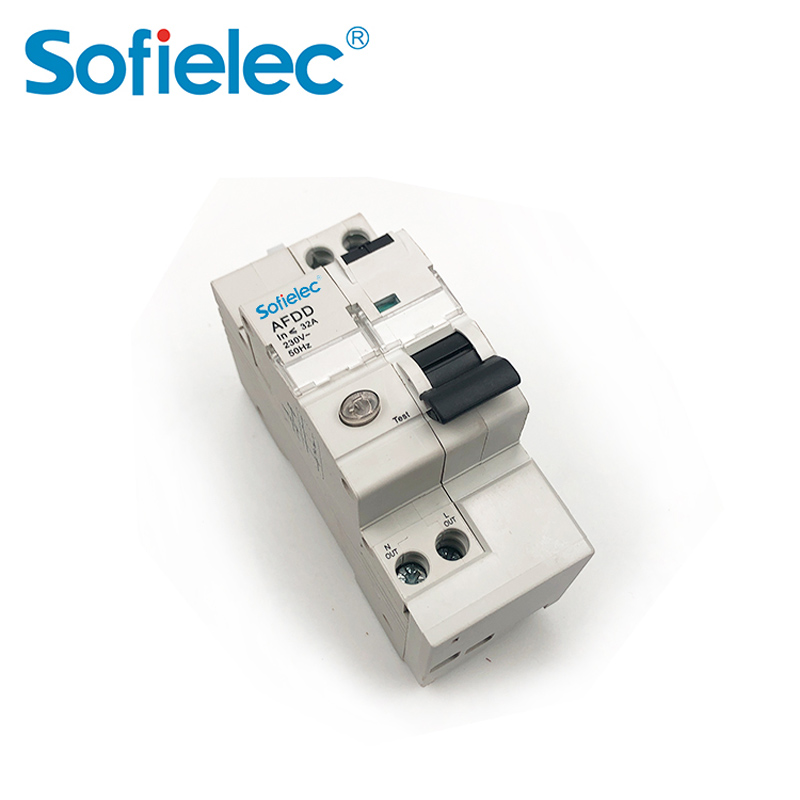
|
l Connection terminal:Screw terminal Pillar terminal with clamp |
|
l Connection capacity: Rigid conductor up to 25mm2 |
|
l Fastening torque: 2.0Nm |
|
l Installation:On symmetrical DIN rail 35.5 mm Panel mounting |
|
l Terminal Connection Height: 21mm |
General Information
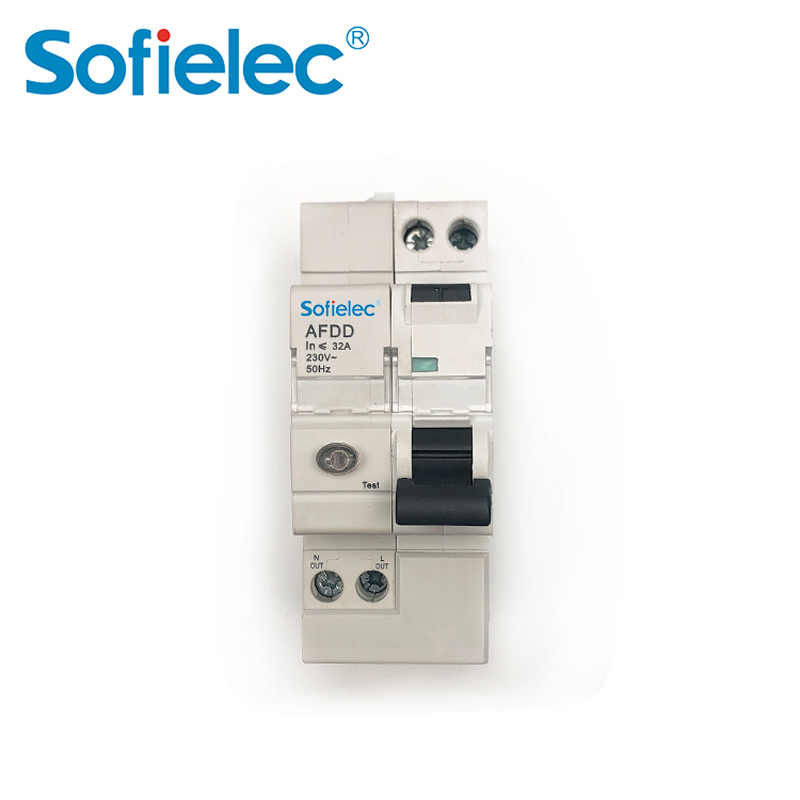
The Arc detection unit will recognise serial, parallel and ground arc faults in both radial and ring circuits. (Note serial faults in a ring circuit does not always lead to an arc fault due to power flowing to either side of the fault at the same potential voltage.
These units must be switched off when conducting insulation testing to avoid damage to the AFDD
The AFDD should be tested every month by pushing the Test button.
Recommended terminal screw torque 2Nm
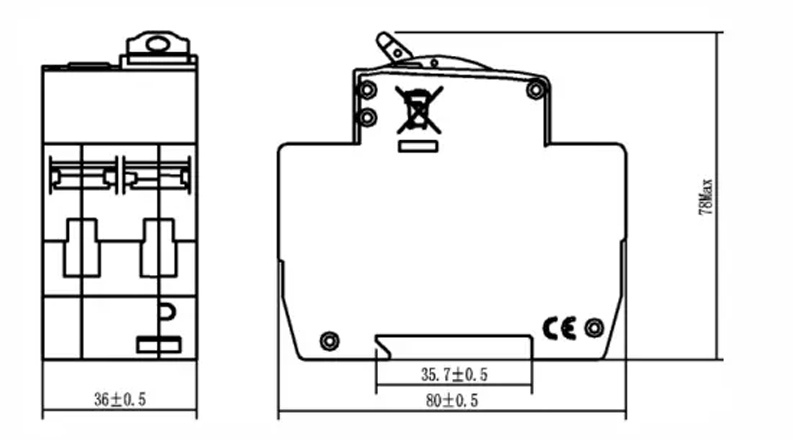
Overall & Installation Dimensions
> Is an SPD Surge Protective Device Rated for 80kA Imax?
An SPD Surge Protective Device with 5-80kA discharge capacity, built-in disconnector, and visual status window — built for low-voltage distribution system protection...
> Does a Float Switch Need IP68 for Hot Water?
A Float Switch with IP68 sealing, AC 220V rating, and 60°C water temperature tolerance — built for reliable liquid level control in pumps and tanks.
> Does a Circuit Breaker Need Both Overcurrent and Leakage Protection?
A magnetic RCBO that combines overcurrent and earth leakage protection in a compact two-module design — featuring 10kA breaking capacity and CE approval for resident...
> What Makes the ASFT Series Outperform Other Float Switches?
A float switch with integrated square-axis multi-pole design, welding-process contacts with silver solder pads, and bite-process terminal blocks — built for reliable...