English
 Español
Fuse installation method and matters needing attention
In family life, it is inevitable that the fuse will break. In this case, the fuse needs to be replaced. However, we still need to understand the method and precautions for the correct installation of the fuse. So today Sofielec will explain to you the correct installation method and precautions of household fuses.

Household electric fuse are generally protective devices installed on electrical circuits, which can only allow normal current to pass. When a short circuit or overload occurs in the circuit, the temperature of the circuit will rise above the melting point of the fuse due to the thermal effect of the current, so that the fuse will be blown to cut off the circuit and protect the safety of the circuit. In order to avoid fire caused by overcurrent faults and to make the fuse safer, several points should be paid attention to when using and installing the electric fuse.
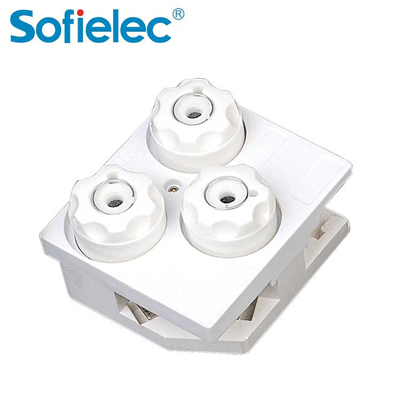
First: household fuses cannot use too thin fuses. We know that the thickness of the fuse is related to its rated current. When using a thin fuse, the normal current passing through is also easy to blow, which is likely to cause unnecessary power outages. Therefore, the thickness of the fuse should be appropriate when choosing.
Second: You must choose a fuse that is suitable for your household's electrical conditions. Generally speaking, the fuse's fusing current will be 1.5 to 2 times the rated current of the fuse. If the sum of the total power of household appliances.
Third: If the fuse size is selected correctly but the fuse is still blown, it means that there is a problem with the electrical wiring and electrical equipment. At this time, you should ask an electrician to check the specific reason. Never use copper or iron wires without permission. Or other thicker fuses to replace the existing electric fuse.
Through the above introduction to household fuses, I believe everyone has a better understanding of its installation and precautions. It can be helpful to you in the subsequent installation process. If you have anything you don’t know, you can also find us, and we will answer it for you. We are very welcome. Because of this, we also need to grow up to help more people.