 English
 Español
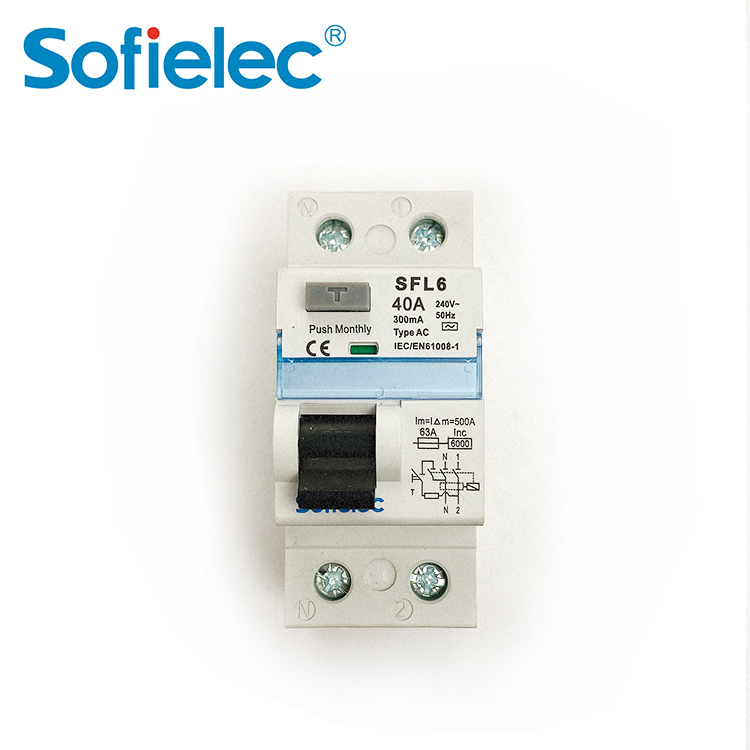
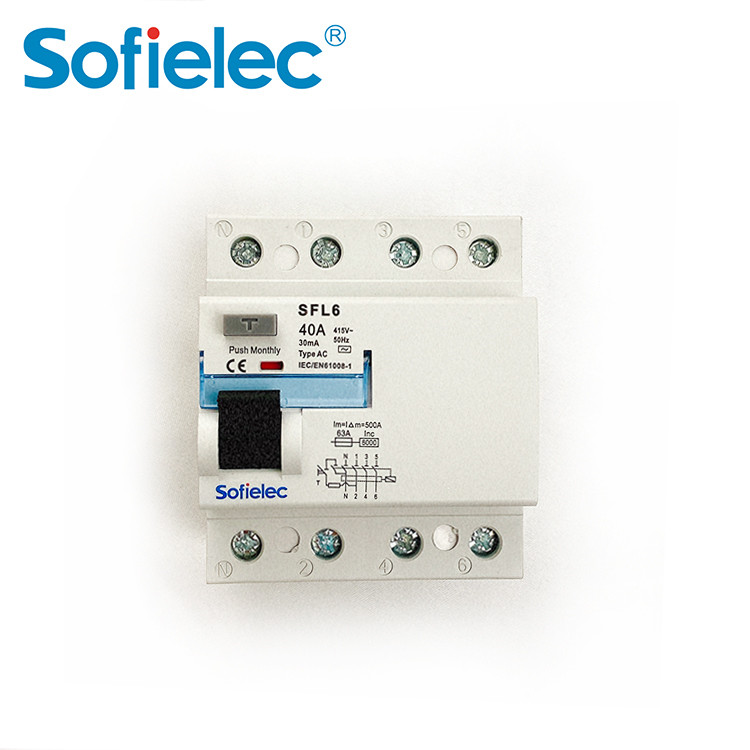
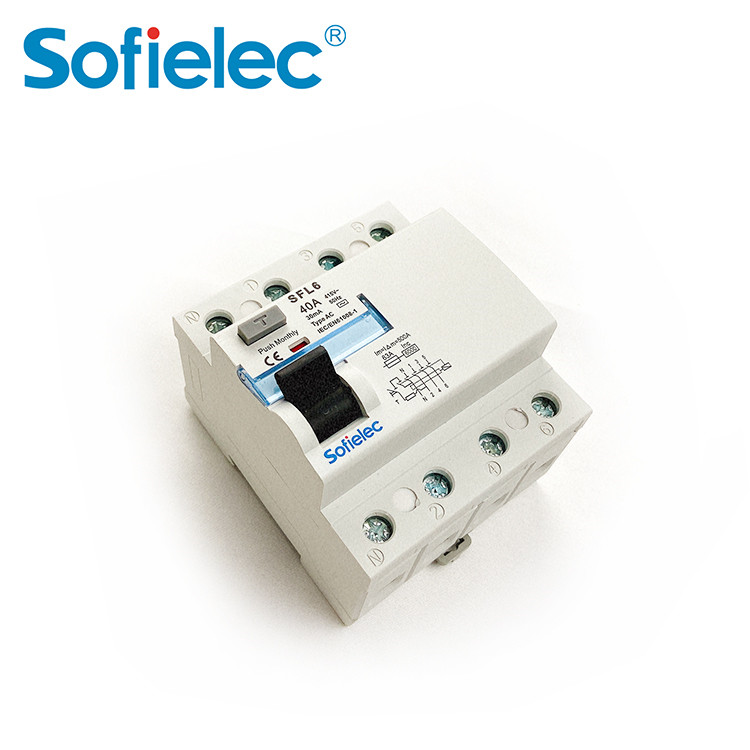
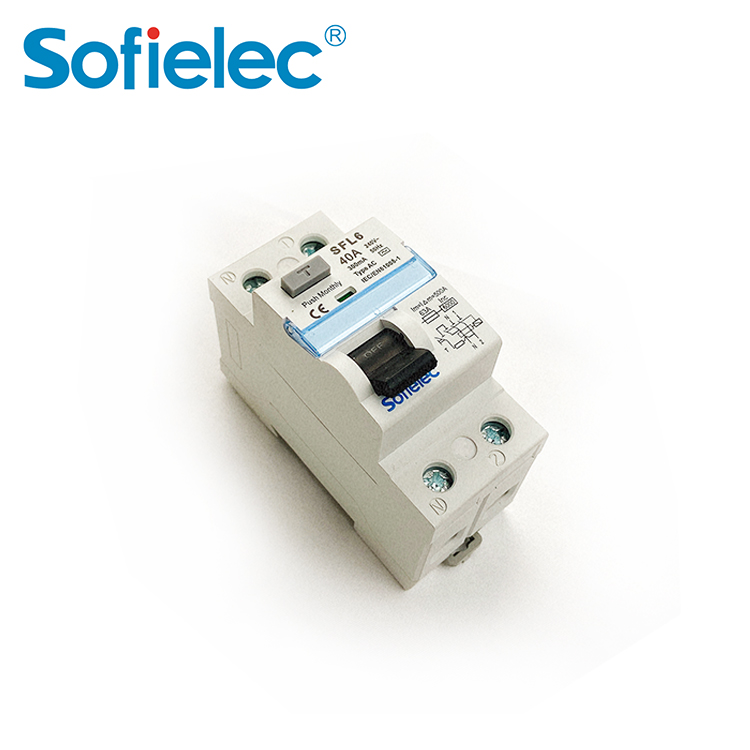
The 40A/80A RCCB is a two-pole Residual Current Circuit Breaker designed to provide protection against electrical shock and ground faults in residential and commercial applications.
This RCCB has a rated current of 80A and features a breaking capacity of 4.5kA, meaning it can withstand short-circuit currents up to 4.5kA. It is available with a rated residual operating current (I△n) of 30mA or 300mA.
The two-pole design of this RCCB allows for the disconnection of both the live and neutral conductors in the event of a fault, ensuring maximum protection against electrical hazards. The RCCB also provides isolation functions to protect maintenance personnel from accidental contact with live parts.
This RCCB is suitable for use with both 40A circuits, providing flexibility in installation. The device features a compact and ergonomic design, making it easy to install and operate. It is equipped with finger-safe connection terminals to ensure safety during installation and use.
the 2 Pole RCCB is a reliable and safe solution for protecting against electrical hazards in residential and commercial applications. Its CE, CB, and NF approvals provide assurance of its quality and safety.
| Categories | 2 pole RCCB 40A/80A With CE CB NF Approval |
| Model | SFL6 |
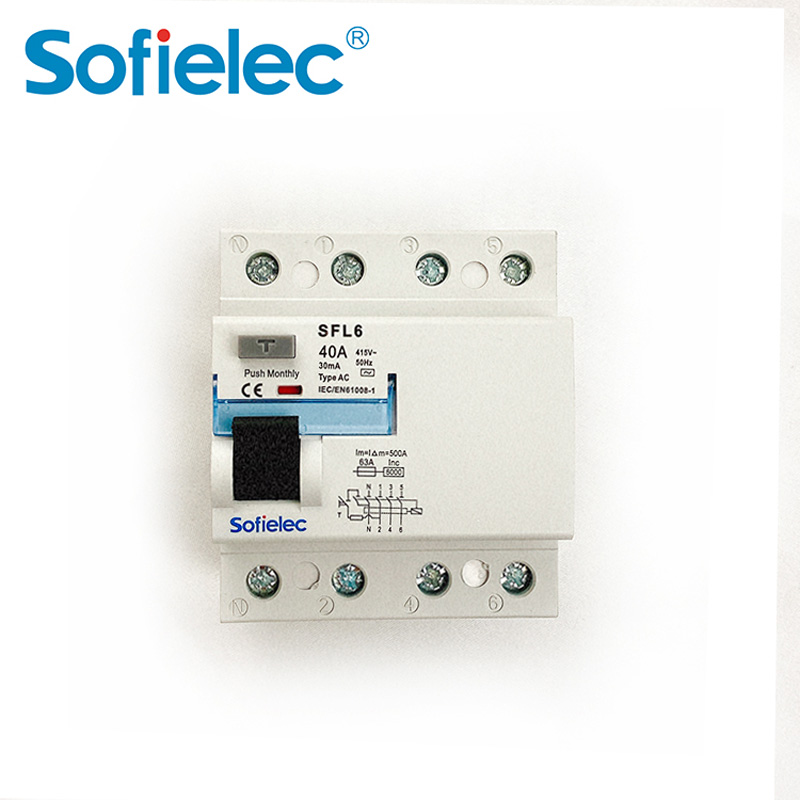
| Pole No | 2, 4 |
| Rated voltage | AC 230/400V |
| Rated current (A) | 1,2,3,4,6, 10, 13, 16, 20, 25, 32, 40, 50, 63,80A |
| Rated frequency | 50/60Hz |
| Certificate | CB CE NF ROHS |
| Standard | IEC60008-1 |
| Mechanical Life | 2000 Times |
2 pole RCCB 40A/80A Technical Data
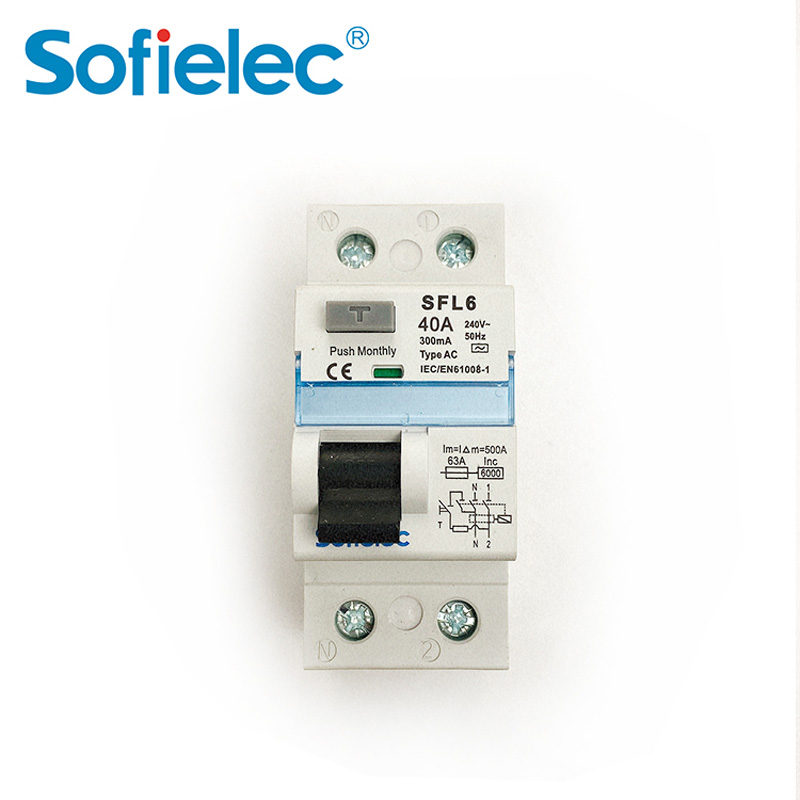
|
l Pole No.:2,4 |
|
l Rated voltage: AC 230/400V |
|
l Rated current (A):1, 2, 3, 4, 6, 10, 13, 16, 20, 25, 32, 40, 50, 63
|
|
l Tripping curve: B, C, D |
|
l High short-circuit breaking capacity (Icn): 6kA |
|
l Rated service short-circuit breaking capacity(Ics): 7.5kA |
|
l Rated frequency: 50/60Hz |
|
l Energy limiting class: 3 |
|
l Rated impulse withstand voltage: 4kV |
|
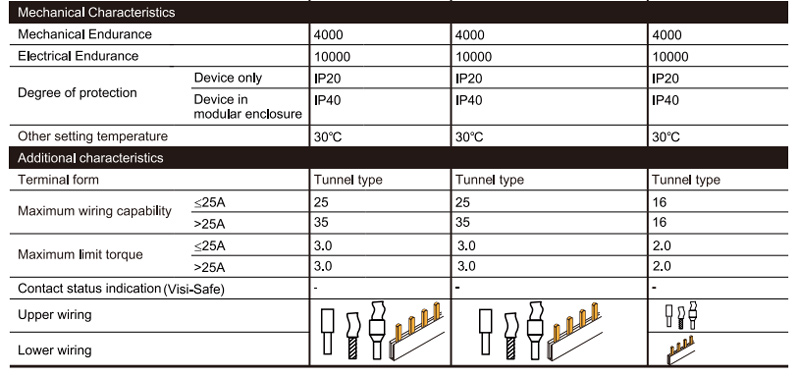
l Electro-mechanical endurance: 10000 |
|
l Contact position indication |
|
l Connection terminal:Screw terminal
|
|
l Connection capacity: Rigid conductor up to 25mm ² |
|
l Terminal Connection Height: 19mm |
|
l Fastening torque: 2.0Nm |
|
l Installation:On symmetrical DIN rail |
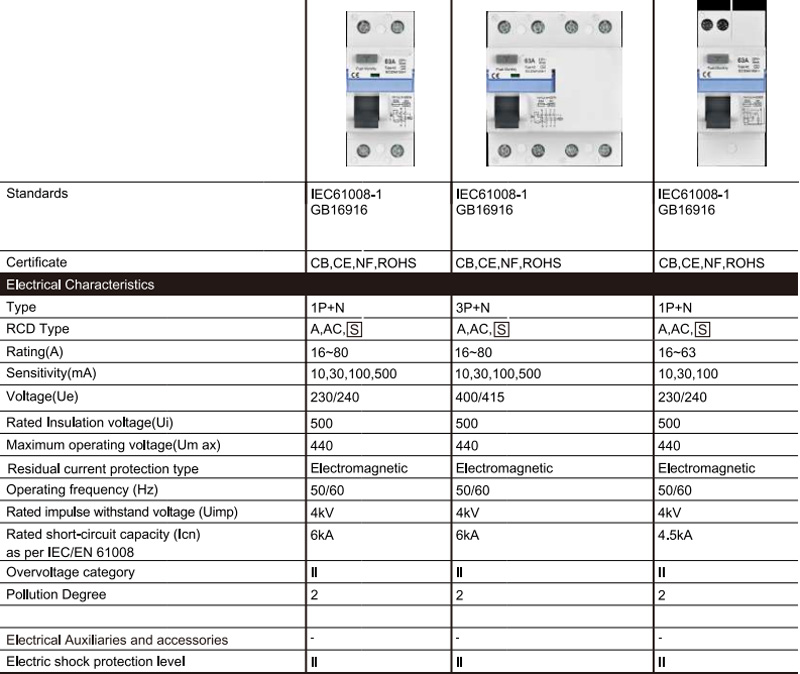
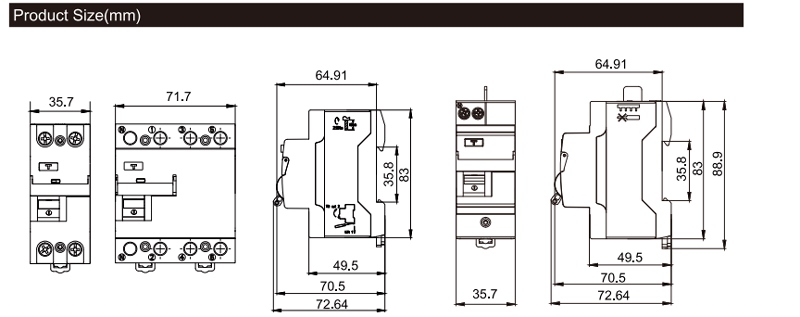
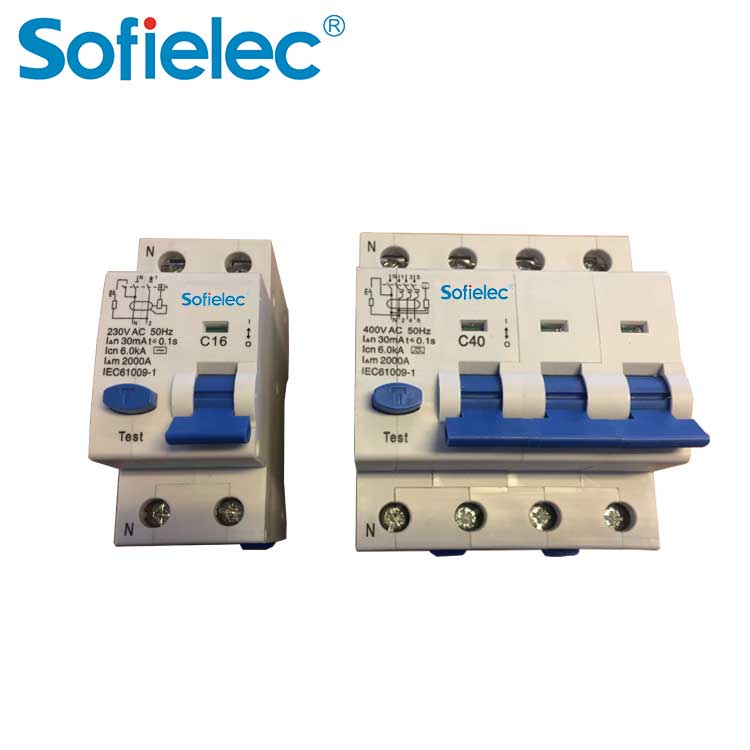
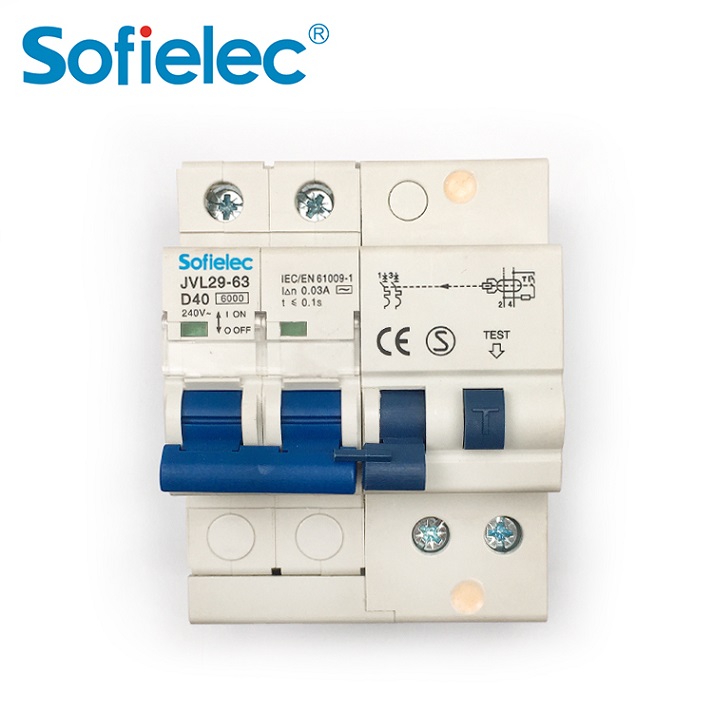
RCCB 40A/80A (Residual Current Circuit Breaker) is a two-pole or four-pole circuit breaker designed to provide protection against electrical shock and ground faults in residential and commercial applications.
This RCCB has a rated voltage of AC 230/400V and is available with a rated current of 1A, 2A, 3A, 4A, 6A, 10A, 13A, 16A, 20A, 25A, 32A, 40A, 50A, 63A, and 80A. It is suitable for use on 50/60Hz frequency systems.
The SFL6 RCCB features CE, CB, NF, and ROHS certifications, indicating that it has been tested and certified to meet European safety standards. It conforms to the IEC60008-1 standard.
The RCCB is designed with a mechanical life of 2000 times, meaning it can withstand repeated operations over its lifetime. The two-pole or four-pole design of this RCCB allows for the disconnection of both the live and neutral conductors in the event of a fault, ensuring maximum protection against electrical hazards. The RCCB also provides isolation functions to protect maintenance personnel from accidental contact with live parts.
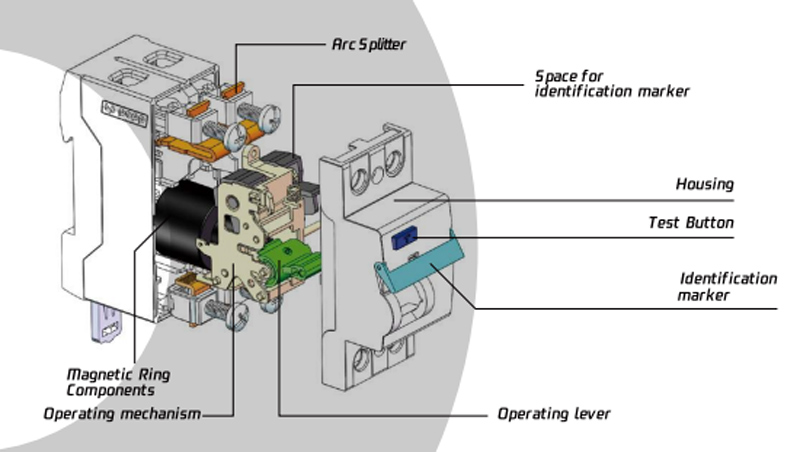
2 pole RCCB 40A/80A is equipped with finger-safe connection terminals to ensure safety during installation and use. It is compact and has an ergonomic design, making it easy to install and operate.
> How Does an SPD Surge Protective Device Clamp Transients?
An SPD Surge Protective Device in the XZ-NPE series uses spark-gap technology to clamp neutral-to-earth transients at 275V, with 20kA/40kA ratings and a <25ns respon...
> How Does a Metal Distribution Box Protect UK Circuits?
A Metal Distribution Box like the CJDB series protects circuit breakers in UK consumer units with 100A rating, IP3X safety, and 4-way to 22-way configurations.
> Is an SPD Surge Protective Device Rated for 80kA Imax?
An SPD Surge Protective Device with 5-80kA discharge capacity, built-in disconnector, and visual status window — built for low-voltage distribution system protection...
> Does a Float Switch Need IP68 for Hot Water?
A Float Switch with IP68 sealing, AC 220V rating, and 60°C water temperature tolerance — built for reliable liquid level control in pumps and tanks.