English
 Español
What is a Circuit breaker
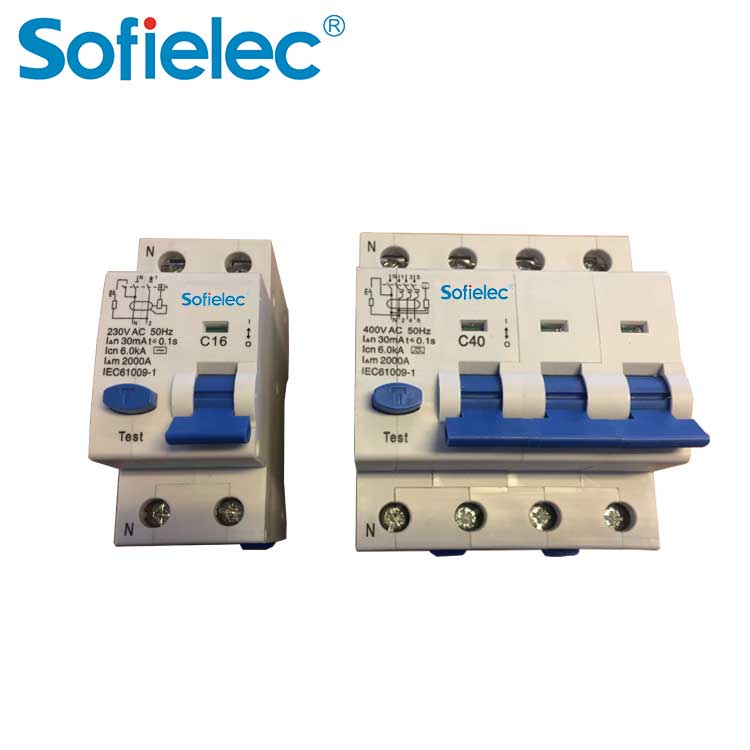
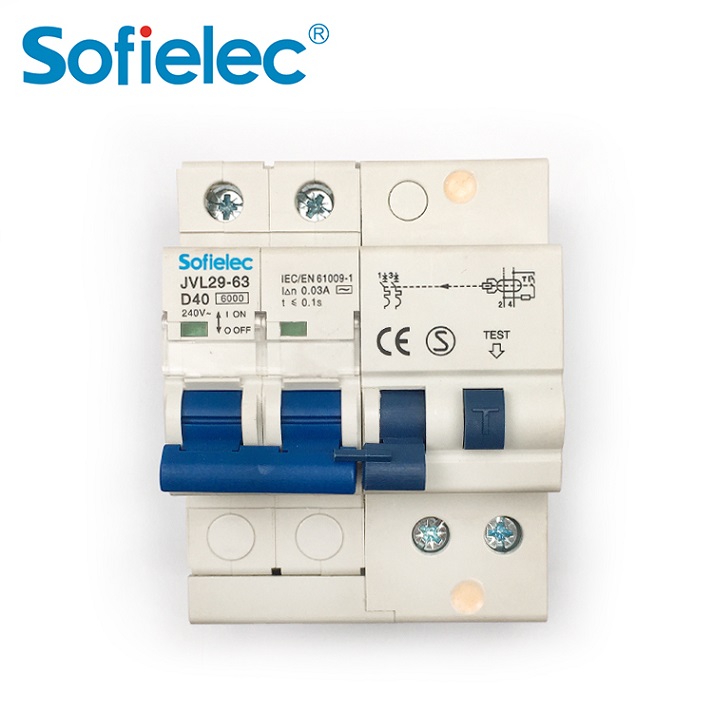
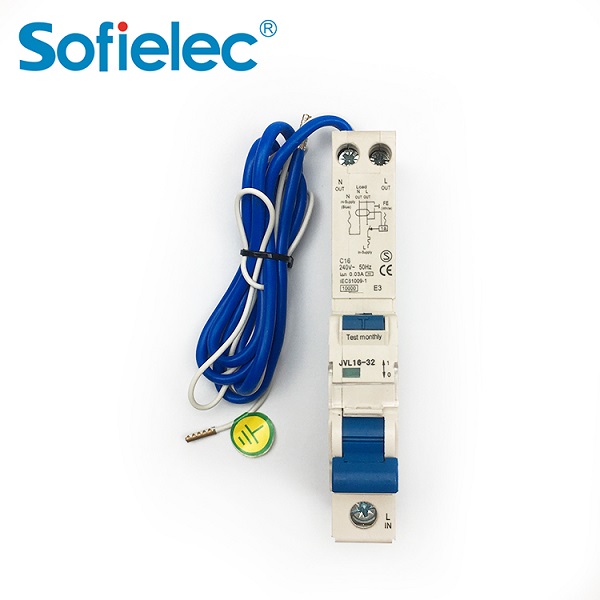
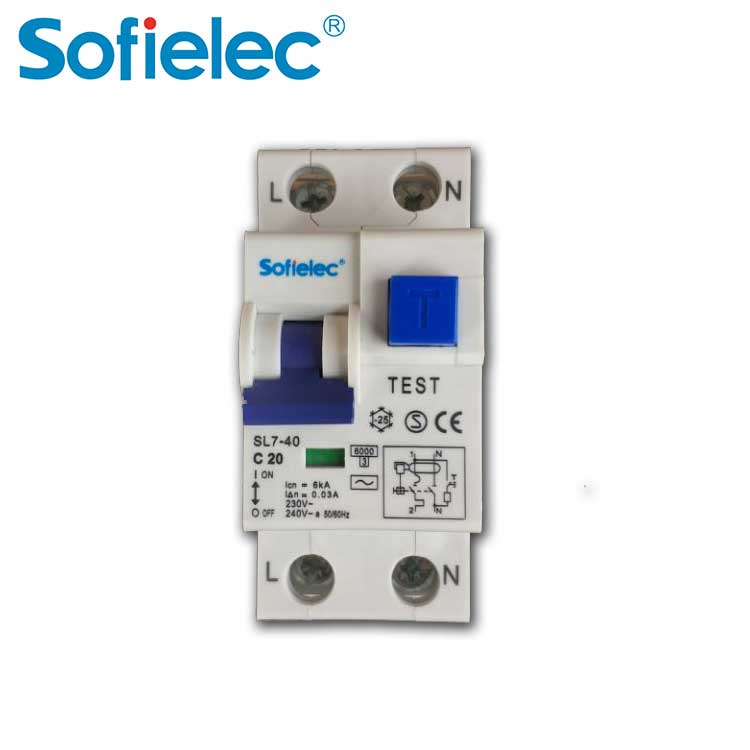
Circuit breaker is a crucial electrical component designed to protect electrical circuits and appliances from damage caused by excess current. It functions as a safety mechanism by interrupting the flow of electricity when an overload or short circuit occurs, thereby preventing overheating, fires, and other electrical hazards.
1.Characteristics of Circuit Breakers
- Automatic Operation: Circuit breakers can automatically disconnect the circuit during abnormal conditions such as overcurrent or short circuit, thereby preventing damage to electrical equipment and wiring.
- Resettable: They can be manually or automatically reset after tripping, restoring power to the circuit once the fault is resolved.
- Variety of Types: Available in different types (e.g., thermal, magnetic, hybrid), sizes, and voltage ratings to suit various applications from residential to industrial settings.
- Durable and Reliable: Designed to handle high currents and withstand frequent operation without degradation, ensuring long-term reliability.
- Safety Standards: Built to meet stringent safety standards to protect against electrical hazards like fires and electrocution.
2.Functions of Circuit Breakers
- Overcurrent Protection: Primary function is to protect against excessive current that could damage equipment or cause fires by interrupting the circuit when current exceeds safe levels.
- Short Circuit Protection: Quickly interrupts the circuit in case of a short circuit, preventing dangerous levels of current flow that could damage wiring or components.
- Fault Isolation: Helps in isolating the faulty part of the circuit by disconnecting only the affected section while keeping the rest of the electrical system operational.
- Preventive Maintenance: Reduces downtime and maintenance costs by preventing damage to electrical equipment due to electrical faults.
- Integral Part of Electrical Safety: Essential component in ensuring electrical safety in homes, offices, and industrial environments by minimizing the risk of electrical accidents.
3.conclusion
circuit breakers play a critical role in ensuring electrical safety and preventing equipment damage by effectively controlling and managing electrical currents within a circuit. Their ability to detect abnormalities and interrupt power flow swiftly makes them indispensable in both residential and industrial electrical installations.