English
 Español
How to Fix a Tripping RCBO in Commercial Distribution Boards
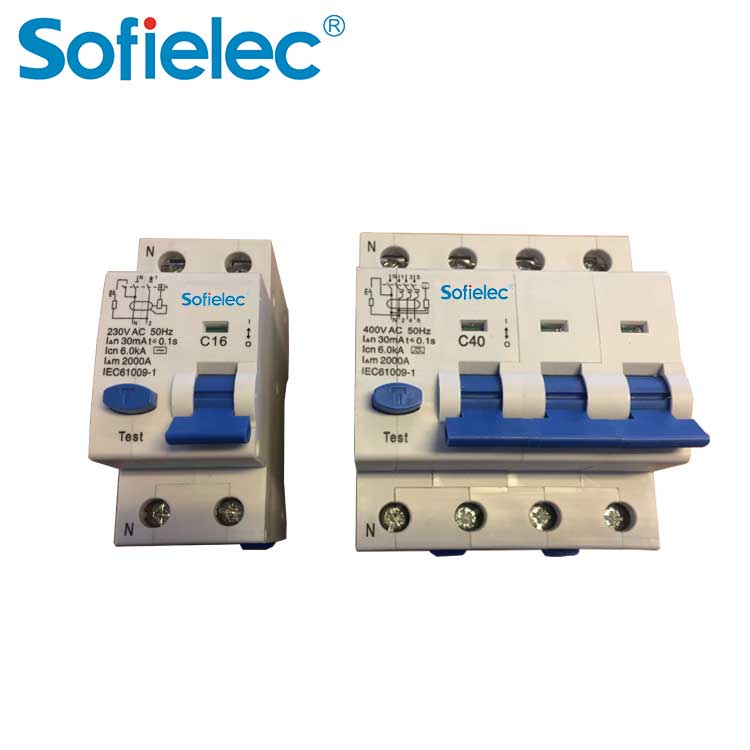
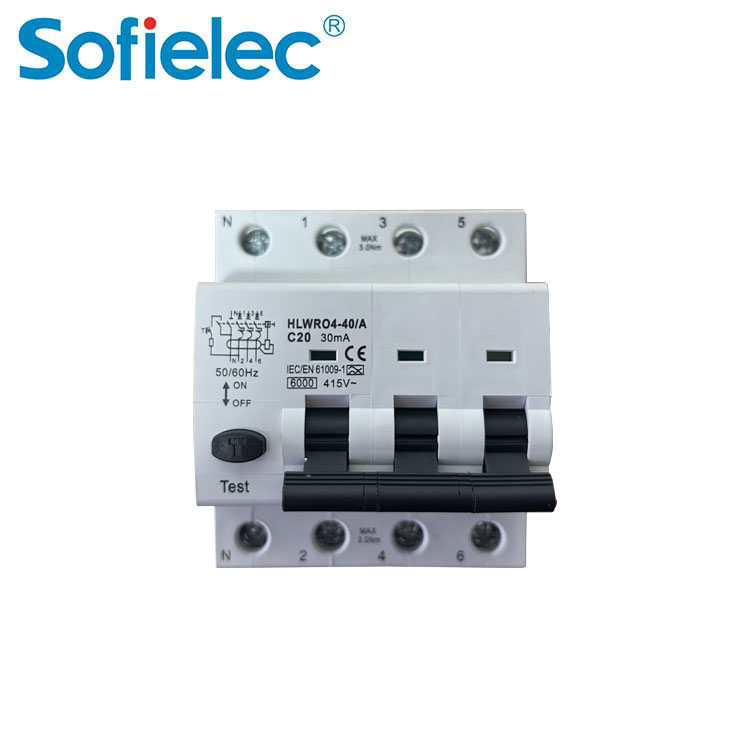
A commercial distribution board RCBO that trips repeatedly isn‘t just an inconvenience—it’s a warning. Each trip stops equipment, disrupts operations, and could be hiding a worsening electrical fault. Yet many maintenance teams simply reset the same device over and over, hoping the problem will go away. The good news is that a tripping RCBO fix doesn‘t require guesswork. The moment the RCBO trips tells you almost everything you need to know: whether it happens instantly when you turn the circuit on, after the load has been running for a while, or seemingly at random. This guide walks through each pattern, shows you how to distinguish between overload and residual current trips, and provides field-tested fixes for common causes. The HLWR04-40 Series Leakage Breaker and ZSR7 series RCBO from Sofielec are used as examples.
First observation — what the trip timing tells you
Before opening the panel, stand back and observe. Instant trip on power‑up (or when pressing the test button) often indicates a neutral‑to‑earth fault or a damaged RCBO. Delayed trip after load runs for a while points to overload or gradual heating. Random trip with no clear trigger is the most frustrating pattern, often caused by accumulated leakage from multiple devices, high‑frequency interference from electronic loads, or moisture ingress. Look at the RCBO’s physical indicators: on the HLWR04-40 and ZSR7 series, a residual current trip causes a blue signal indicator to appear. For an overload trip, the toggle goes to OFF without the blue signal. This simple check tells you whether you‘re dealing with earth leakage or overcurrent before you touch a single wire.
Causes and fixes for “instant trip on power up”
Neutral‑to‑earth fault (borrowed neutral). Somewhere on the circuit, the neutral conductor is touching earth, creating an imbalance that the RCBO’s residual current detector sees immediately. This is especially common in older commercial buildings where lighting and socket circuits share neutrals. Verify each RCBO has its own dedicated neutral conductor. Neutrals cannot be shared between RCBOs or connected to the main neutral bar. If they are intermixed, separate them and retest.
Damaged RCBO internal mechanism. If the wiring checks out but the RCBO still trips instantly with nothing connected, the device itself may have failed. Lightning strikes, voltage spikes, or simple age can damage the electronic residual current detection circuit. Replace with an identical rating RCBO and verify the upstream surge protective device is still functional. For the HLWR04-40 series, common residual current sensitivities are 10mA, 30mA, 100mA, 300mA, and 500mA, with 30mA typical for commercial socket circuits.
Line‑neutral reversed. Some RCBOs are polarity‑sensitive. If line and neutral are swapped on the input side, the device may trip instantly or fail to reset. Confirm input connections match the marking on the RCBO housing.
Causes and fixes for “delayed trip” (after load runs)
Gradual overload from multiple devices. Individual devices may draw current within limits, but when several run simultaneously, the total exceeds the RCBO‘s rating. This is common in commercial kitchens, IT server rooms, and workshops. Use a data‑logging clamp meter over a full operating cycle. If the peak exceeds 80% of the RCBO’s rating, consider splitting the circuit or upgrading to a higher rating after verifying cable capacity.
Loose terminal heating. A loose connection at the RCBO terminal or downstream junction points generates heat under load. Over minutes or hours, that heat conducts into the RCBO‘s thermal trip mechanism, causing it to open even when current is within limits. With the circuit isolated, torque all terminals to the manufacturer’s specification. If any terminal shows discoloration or melting, replace the RCBO—internal damage may already be present.
High ambient temperature. Commercial distribution boards located in plant rooms, boiler rooms, or roof spaces can exceed the RCBO‘s rated operating temperature, reducing the effective trip threshold. If the panel is in a hot environment, consider forced ventilation or relocating the board. A simple thermometer check over a few hours can confirm whether heat is the hidden culprit.
Causes and fixes for random nuisance tripping
Accumulated leakage from multiple devices. In commercial settings with extensive IT equipment, LED lighting, and variable‑speed drives, normal leakage current from each device adds up. Connect a leakage clamp meter around the live and neutral conductors together. If the reading is consistently above 20mA, the RCBO has little margin and will trip on small disturbances. Split the circuit into multiple RCBOs or use a 100mA RCBO for equipment‑only circuits where additional shock protection isn‘t required.
High inrush current from LED drivers or VFDs. LED drivers and variable‑frequency drives draw a very short, high peak current when first energized. This inrush can fool some RCBOs into seeing a residual current imbalance. For circuits with LED lighting, electronic power supplies, or VFDs, consider upgrading to a Type F RCBO, which detects AC, pulsating DC, and high‑frequency residual currents up to 1kHz—exactly what modern electronic loads produce. Type F provides higher immunity to nuisance tripping in single‑phase inverter applications.
Moisture in outdoor or wet‑area junction boxes. In commercial kitchens, outdoor lighting, or rooftop equipment, water ingress creates a high‑impedance path to earth. As moisture moves or dries partially, leakage current fluctuates—causing random trips, often at night when humidity rises. Test insulation resistance between live/neutral and earth using a 500V or 1000V megger. Readings below 1MΩ indicate moisture or insulation breakdown. Dry the junction boxes, replace damaged fittings, and ensure enclosures have proper IP ratings.
| Trip Pattern | Most Likely Cause | First Action |
|---|---|---|
| Instant on power‑up | Neutral‑earth fault or damaged RCBO | Check for borrowed neutral; isolate loads |
| Instant on test button | Electronic trip circuit failed | Replace RCBO; test upstream SPD |
| Delayed after hours | Overload or loose terminal | Clamp measure current; torque all terminals |
| Random, no pattern | Accumulated leakage or inrush current | Leakage clamp test; upgrade to Type F RCBO |
| Random, worsens at night | Moisture ingress | Megger test; dry junction boxes |
When to replace vs when to keep the RCBO — a quick checklist
Replace immediately if you see burn marks, melting, or discoloration on the housing; any visible carbon tracking or arc damage; the test button fails to trip the device; the RCBO has tripped and cannot be reset even with all loads disconnected; or the device has been submerged or exposed to heavy moisture. Keep after corrective action only when the RCBO trips only when a specific high‑load appliance is running (check the appliance), terminals were loose but show no visible damage, and the circuit passed insulation resistance testing after drying. When in doubt, replace—RCBOs are relatively inexpensive compared to the cost of fire, equipment damage, or downtime.
Frequently asked questions about RCBO tripping
Q: Why does my RCBO trip when I turn off a light switch?
A: This usually happens with older switches or those controlling LED or fluorescent loads. The switch contacts can arc slightly when opening, and the arc contains high‑frequency components that some RCBOs misinterpret as residual current. Try replacing the switch with a unit designed for electronic loads, or consider upgrading to a Type F RCBO, which is less sensitive to this effect.
Q: Can a bad ballast or LED driver cause RCBO to trip?
A: Yes. Aging fluorescent ballasts develop internal leakage to ground. LED drivers can also develop leakage as internal components degrade. Use an insulation resistance tester on the disconnected fixture. A reading below 1MΩ indicates the ballast or driver needs replacement. Accumulated leakage from multiple failing ballasts on a single circuit is a classic cause of nuisance tripping.
Q: How often should I press the test button on RCBOs?
A: Monthly testing is standard practice for commercial installations. Press the test button—the RCBO should trip instantly. Then reset it. This verifies the mechanical and electronic trip mechanisms are still functional. If the test button fails to trip the device, replace the RCBO immediately. If the button is stuck or returns sluggishly, corrosion or internal damage is likely.
Q: Why does my RCBO keep tripping at night when nothing is running?
A: Look for outdoor equipment, rooftop units, or anything exposed to dew or temperature drops. Moisture ingress in junction boxes often causes just enough leakage to trip an RCBO when humidity peaks overnight. Also check equipment with standby power supplies that remain energized even when “off.” Five common night‑time trip causes: accumulated leakage from power supplies in “off” mode, VFD standby current with smooth DC residuals, overnight temperature drops affecting insulation resistance, timer‑controlled equipment starting (water heaters, freezers, lighting contactors), and rodent damage to wiring.
Sofielec RCBO solutions for commercial reliability
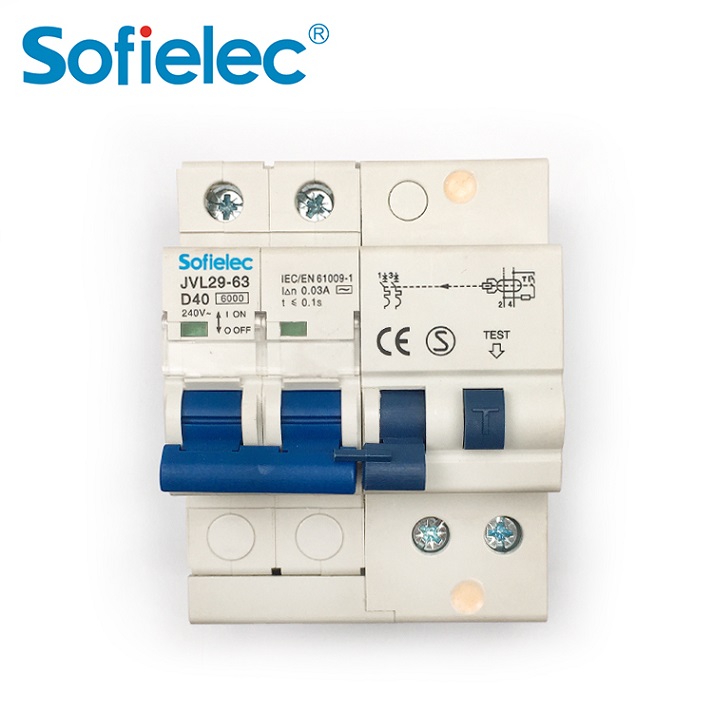
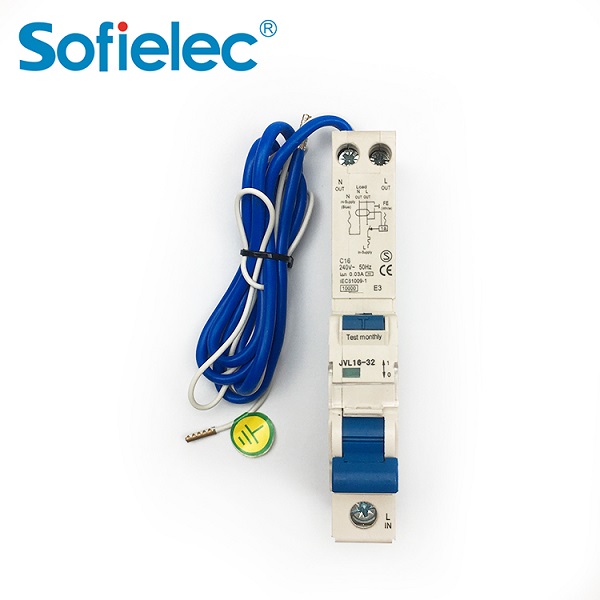
When commercial distribution boards demand consistent performance and clear diagnostics, the HLWR04-40 Series Leakage Breaker and ZSR7 series RCBO from Sofielec provide robust protection. The HLWR04-40 series offers selectable residual current sensitivities of 10mA, 30mA, 100mA, 300mA, and 500mA, with a rated short‑circuit breaking capacity of 6000A and a working time of ≤0.3s. The ZSR7 series is suitable for 230V AC, 50Hz circuits with rated currents from 6A to 40A, making it a versatile choice for commercial socket circuits, lighting, and equipment feeds. Sofielec‘s product line extends beyond RCBOs to include MCBs, RCDs, isolator main switches, SPDs, contactors, timers, relays, and fuses—allowing facility managers to standardize on a single, reliable brand. For circuits plagued by LED driver inrush or VFD leakage, Sofielec provides Type F RCBO options with enhanced immunity to high‑frequency components and pulsating DC residuals.
→ Request a quote from Sofielec for HLWR04-40 Series Leakage Breakers — Share your distribution board configuration, typical load types (LED lighting, VFDs, IT equipment, etc.), and the trip pattern you‘re experiencing. Their technical team can recommend the correct RCBO type, rating, and sensitivity for your application.